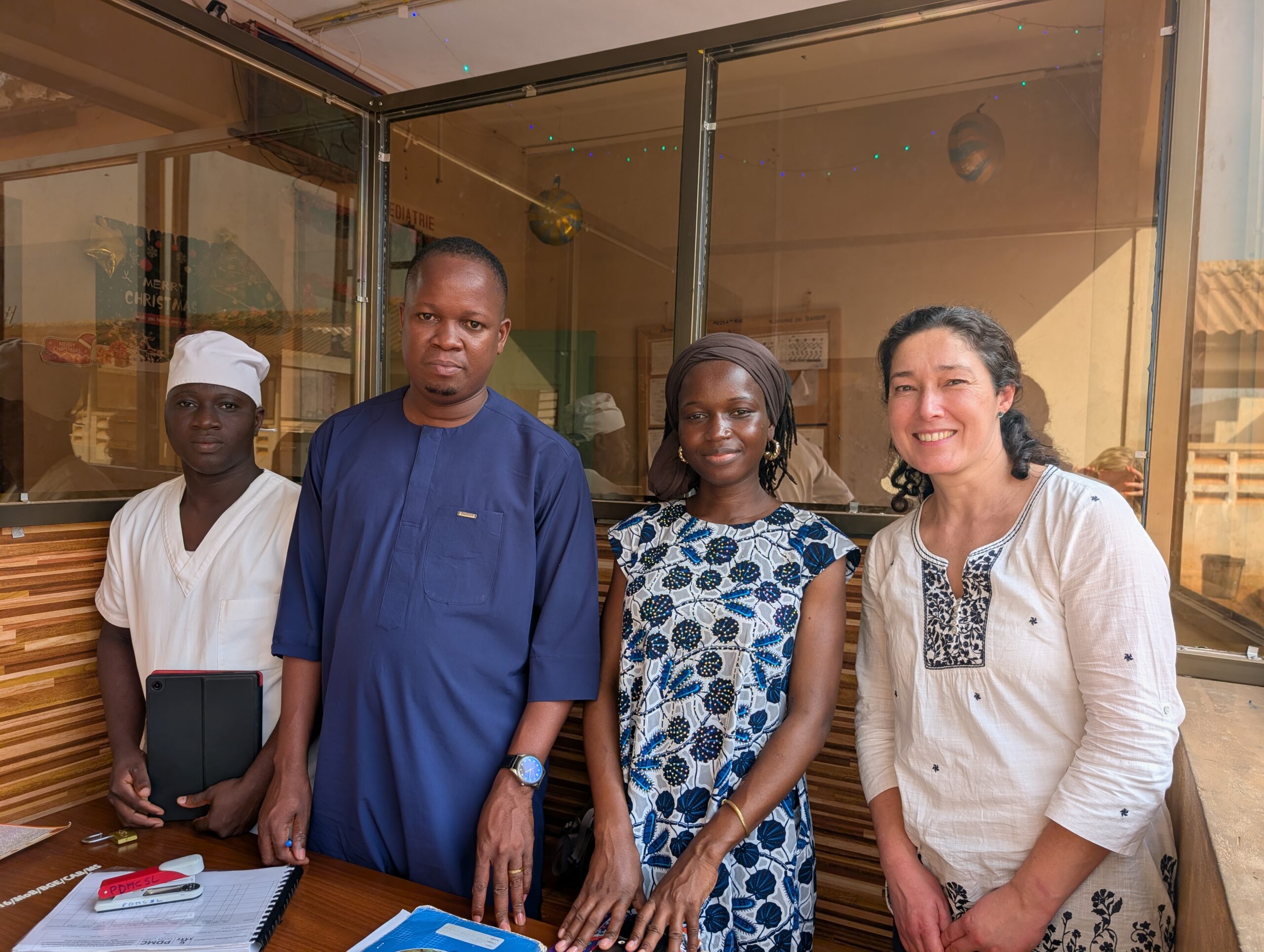
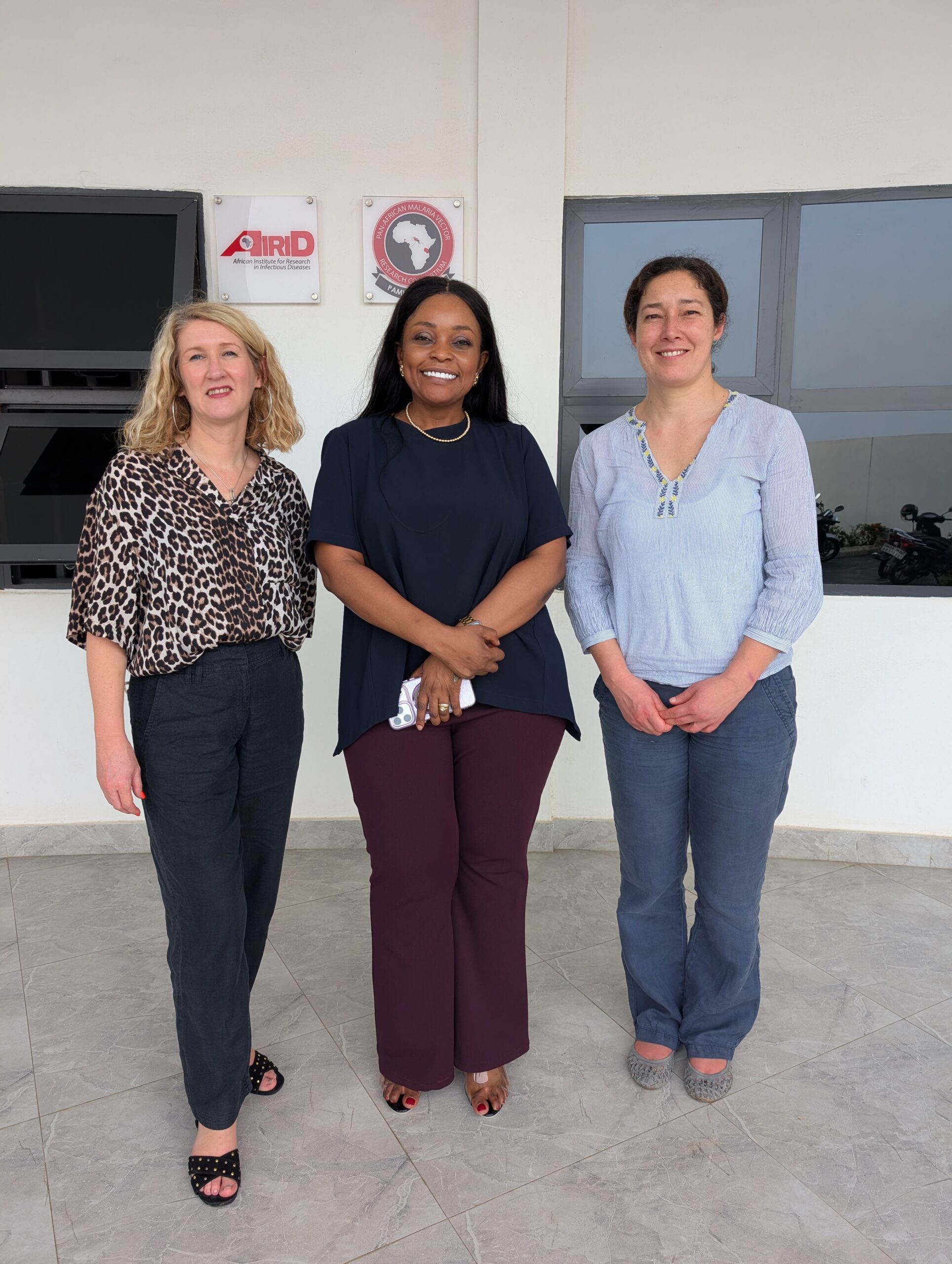
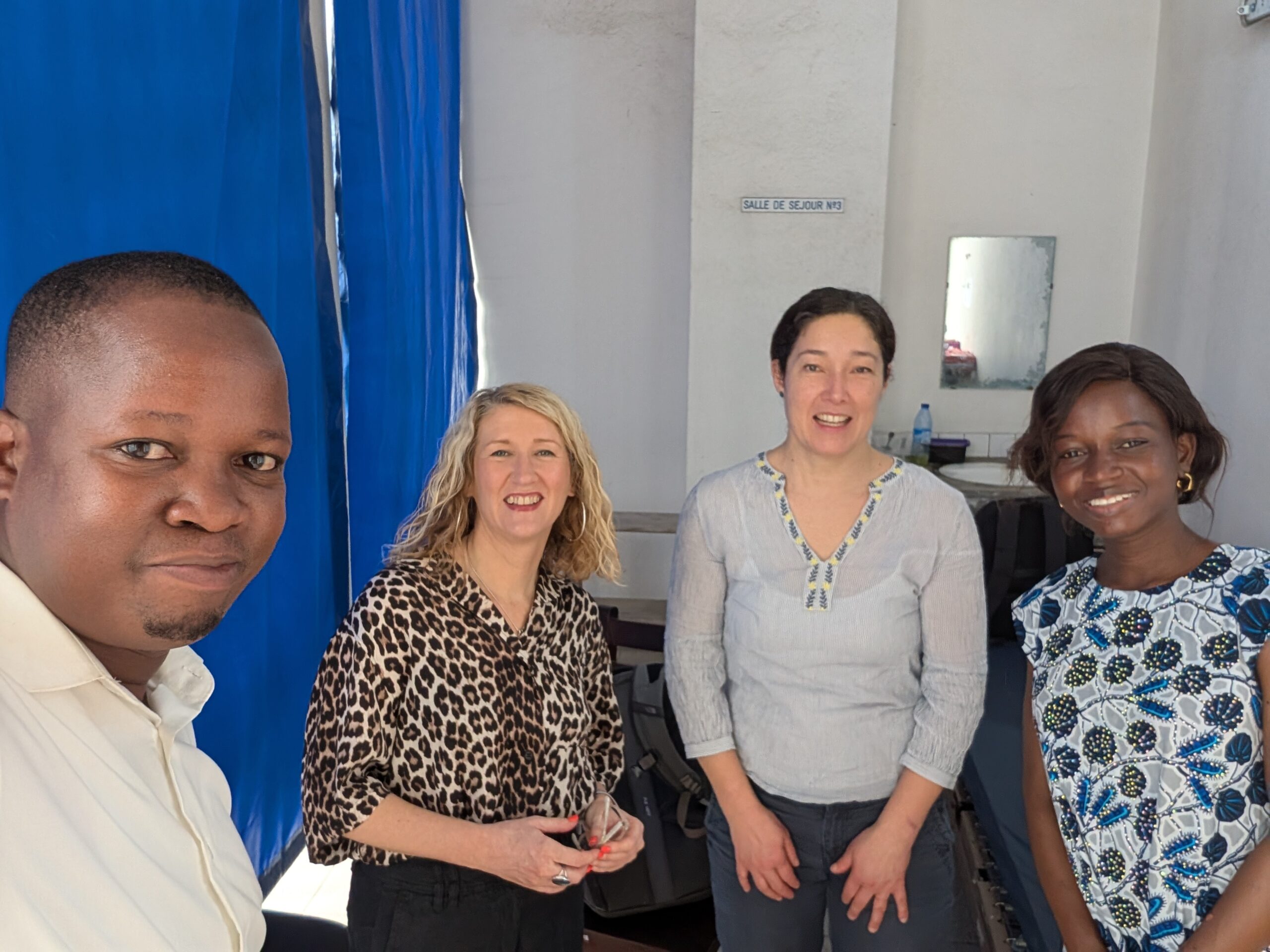
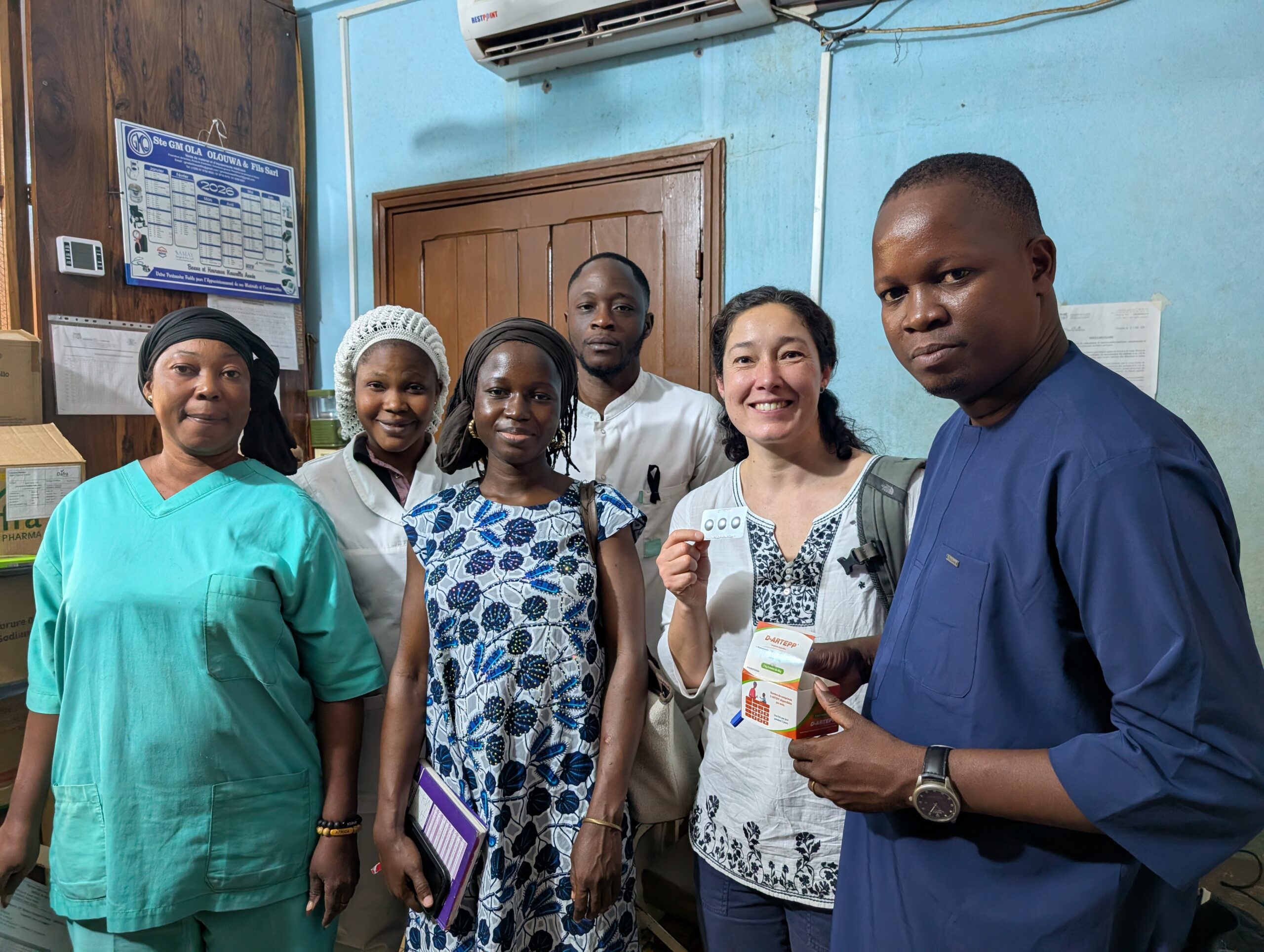
From 1–5 February 2026, members of the Liverpool School of Tropical Medicine health economics team visited Benin to work with country partners on the PDMC Saves Lives study. The visit focused on understanding how post-discharge malaria chemoprevention is delivered in practice, strengthening local capacity for health economic data collection, and agreeing the next steps for assessing the costs and wider health system implications of different delivery approaches
Learning from health facilities and communities
During the visit, the team met with national malaria programme representatives, hospital staff, community health workers and their supervisors. Visits to CHU-MEL, Goho and Mougnon hospitals provided valuable insight into patient pathways, the movement and storage of medicines, links between hospitals and communities, and the staff time and resources required to deliver PDMC after a child leaves hospital. The visit also supported practical training on health economic tools, including staff time logs, facility data collection and activity-based costing. This joint work will help ensure that the economic evaluation reflects the realities of implementation in Benin and produces evidence that is useful to decision-makers.
Key findings
- Community systems are central to delivery. Qualified community health workers and community health workers play an important role in linking discharged children with follow-up support, but their coverage, transport and other resources vary between areas.
- Facility-to-community communication can be challenging. Identifying and contacting the appropriate community team may take time, particularly at larger referral hospitals, and should be considered when estimating staff workload and delivery costs.
- Medicine financing requires further consideration. The study highlighted important questions about whether PDMC medicines would be free at the point of delivery and how procurement, transport and storage would be financed at scale.
- Delivery models must reflect local workflows. Pharmacy arrangements and discharge processes differ between hospitals, affecting how medicines are prescribed, stored and supplied to families.
- Economic evidence will support scale-up decisions. The evaluation will examine provider and household costs, including the potential savings from hospital admissions averted through effective post-discharge prevention.
Looking ahead
The Benin and LSTM teams agreed a joint programme of work to refine costing tools, collect provider cost data and strengthen data quality checks. Planned activities include obtaining information from participating facilities, analysing the resources required for each delivery approach, and developing estimates of medicine costs and potential savings from prevented severe malaria admissions.
Findings from this work will contribute to the wider PDMC Saves Lives economic evaluation and support discussions with national stakeholders on affordable, sustainable delivery of post-discharge malaria chemoprevention in Benin.