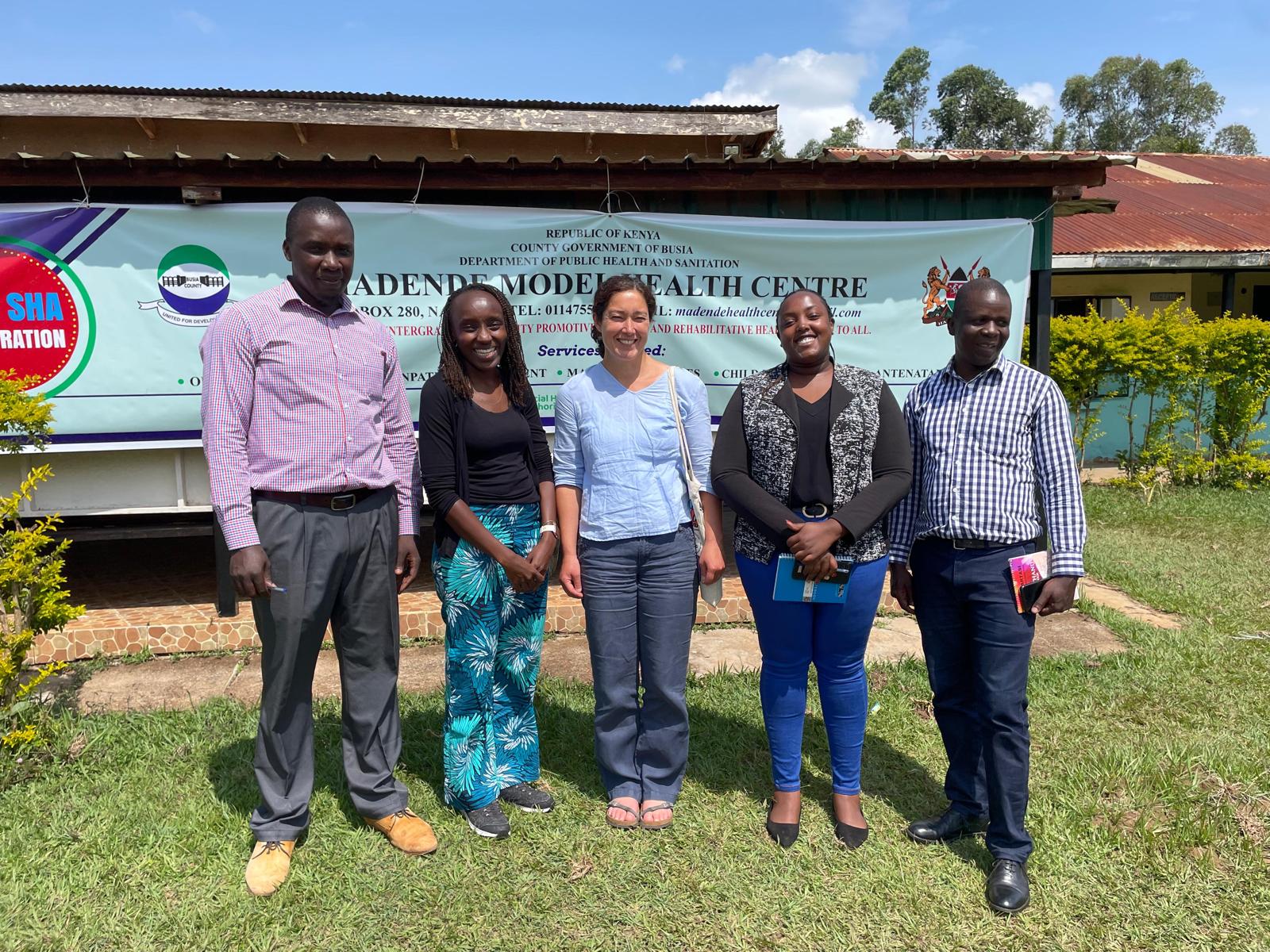
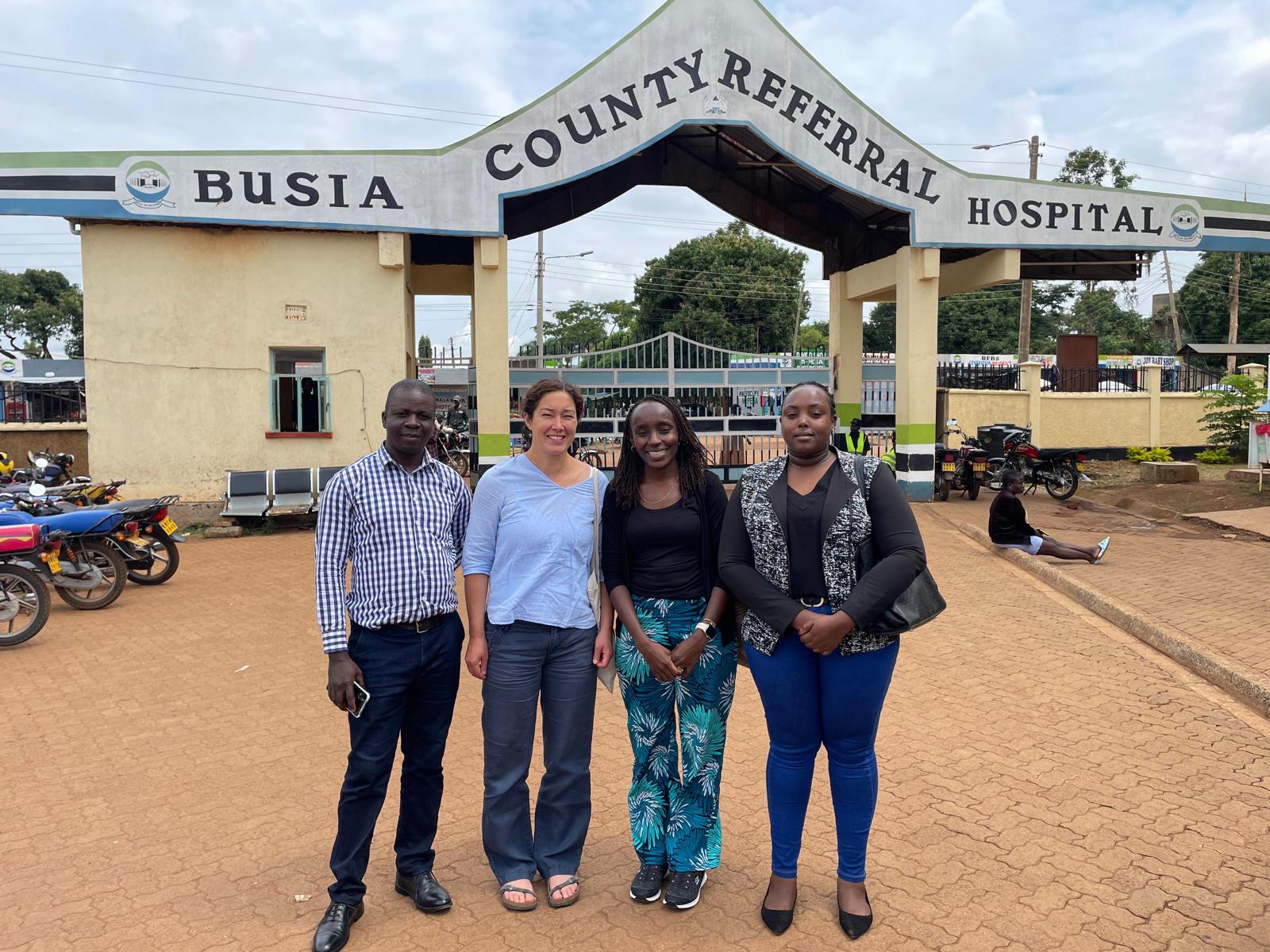
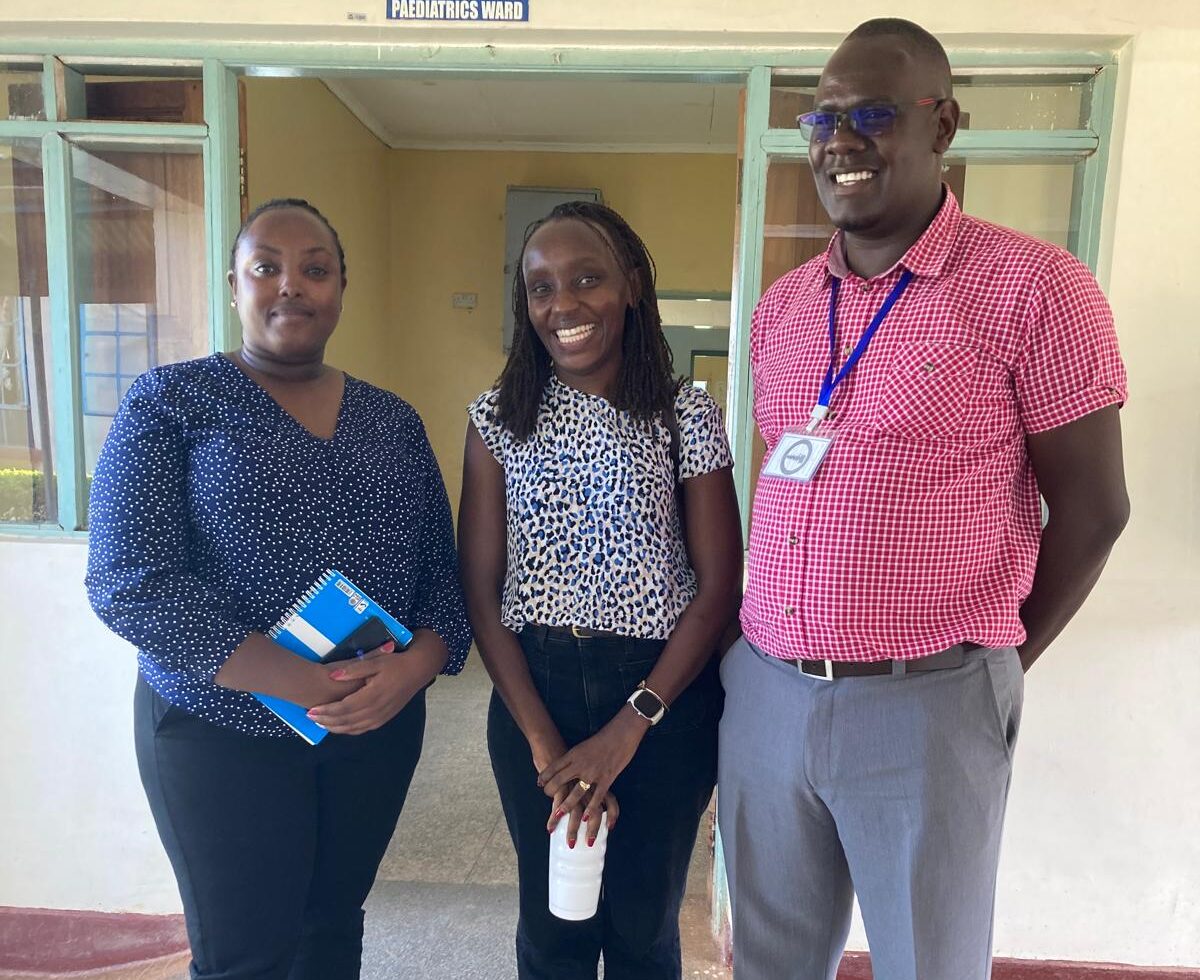
Representatives from the PDMC Saves Lives health economics team visited Kisumu, Kenya, from 16–20 June 2025 to strengthen preparations for the project’s health economic studies and explore how post-discharge malaria chemoprevention (PDMC) could be delivered sustainably within the Kenyan health system.
The visit brought together Liverpool- and Kenya-based health economists and provided an opportunity to review health-system structures, funding flows and service delivery arrangements. The team also visited health facilities participating in the PDMC trial and agreed priorities for data collection, costing and budget impact analysis.
Purpose of the visit
- Build the Liverpool-based health economist’s understanding of the Kenyan health system and its funding arrangements.
- Visit a representative sample of health facilities included in the PDMC trial.
- Strengthen collaboration with the Kenyan health economist and agree a workplan and tools for health economic data collection.
Key insights
Financing and commodity supply. A central question is how PDMC medicines would be financed if the intervention were adopted at scale. Existing malaria commodity supply systems could offer a practical route, but additional funding would be required and the capacity of counties and sub-counties to absorb costs is likely to vary. Cost projections will therefore need to be presented in formats that support national planning and future funding proposals.
Embedding PDMC within the health system. PDMC currently spans malaria and child health responsibilities. Successful scale-up will require clarity on programme ownership, coordination between national, county and sub-county structures, and practical arrangements for procurement, storage and distribution at facility level.
Designing scalable delivery approaches. The SMS reminder system used during the trial is not considered suitable for national implementation. The team will examine options for integrating PDMC reminders and referrals into existing community health information systems, including the associated technology, network and staff costs.
Understanding workforce and community costs. The health economic study will measure staff time, training, equipment and other delivery requirements across different facility types. It will also consider potential community-based delivery scenarios, including travel and workload implications for community health personnel.
Next steps
Following the visit, the health economics team will refine its data collection tools, map patient flows at selected facilities and develop staff time logs. Stakeholder interview guides will also be updated to explore budgets, commodity procurement, funding flows and potential implementation challenges at national, county, sub-county and facility levels.
The findings will help the project estimate the costs and budget implications of delivering PDMC through different models and generate evidence to support future policy and implementation decisions in Kenya.